
Comparing Copper Wire Alloys: Which Is Right for You?
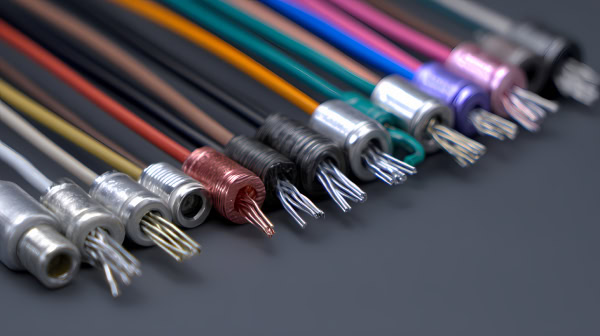
Copper wire is the standard for high-quality electronics and electrical assemblies. The metal itself is very malleable and has excellent thermal and electrical conductivity characteristics. It can also reliably hold its shape and perform in different environments, making it a reliable choice for long-term fixtures and installations. Engineers have gone even further to develop different copper alloys that have concentrations of other metals to add positive characteristics like better corrosion resistance in marine environments or enhanced strength without diminishing the wiring’s electrical capabilities.
Manufacturers and product designers can now choose the right copper alloy for a wide range of different environments and applications to provide the right degree of conductivity, durability, manufacturability, and other characteristics. Learning more about the common copper wire alloys in the market and the benefits they offer can help you select the right materials for your next project.
Benefits of Copper Wire Alloys
Copper wire alloys offer several benefits for manufacturers, with each metal providing unique capabilities for specific applications, environments, and regulatory demands. Some of the key advantages of selecting the right copper wire alloy include:
- High electrical conductivity
- Improved corrosion resistance
- High workability and machinability to improve production processes
- Reliable thermal stability in extreme environments
- Full recyclability to support green initiatives and a circular economy
Common Copper Wire Alloy Types
There are hundreds of different copper alloys available on the market, each with its own combination of traits. The following are several copper wire types that are formable, offer good electrical characteristics, and are generally readily available for wiring production.
ETP Copper (C110) and OF Copper (C101)
ETP copper is a standard copper alloy rated at 100% IACS, meaning it meets the benchmark standard for conductivity as set by the International Annealed Copper Standard. OF copper is purer, which helps it resist hydrogen embrittlement in high-temperature or high-steam environments. Depending on how it’s tempered, OF copper alloy has a tensile strength of 35,000 to 60,000 pounds per square inch (psi).
Tensile-Flex (135)
Tensile-Flex copper offers greater tensile strength (60,000-100,000 psi). It’s designed for extreme applications that demand greater stability, more strength, and a high flex life. The alloy also offers greater mechanical characteristics, with a conductivity of around 85-90% IACS.
HPC-35EF
This alloy is approximately as strong and conductive as Tensile-Flex copper alloys at approximately 85-90% IACS. It doesn’t have large concentrations of heavy metals and maintains thermal stability in a range of applications.
Cadmium Copper (C162)
C162 is designed to offer a high degree of tensile strength at 55,000-100,000 psi and maintains a conductivity of around 80-85% IACS. In addition, it also has good thermal stability.
HPC-80EF
This wiring alloy is strong and conductive like cadmium copper wiring (at 55,000-100,000 psi), offering high reliability in a wide range of wire and cable applications. Because it relies on other metals besides cadmium, it also meets RoHS standards against heavy metals.
CS-95
Manufacturers choose this high-performance, ultra-high-strength wiring for extreme applications. While it only has a conductivity of 40-63% IACS, it offers a tensile strength of 95,000-130,000 psi.
Choosing the Right Copper Wire Alloy
Because every copper wire alloy is different, it’s important to know which characteristics are a priority for the given project. Weigh these potential manufacturability and lifetime performance requirements to select the right material:
- Electrical performance requirements. High-conductivity alloys can be used to meet power or signal transmission requirements.
- Mechanical characteristics. Consider if your alloy needs to withstand repeated stress, ongoing flexing and bending, or load-bearing applications.
- Workability. Brass alloys and other softer, more ductile alloys are easy to work with in the factory and can meet tight tolerances, making them a cost-effective choice during the manufacturing stage.
- Budget considerations. Depending on the application, you might prioritize initial cost-effectiveness, or you might opt for more expensive and high-performance alloys that offer specific characteristics or better lifetime functionality.
- Compliance with standards. Your products will need to comply with specific industrial standards. The electrical, aerospace, and marine industries in particular must comply with stringent material requirements.
- Environmental factors. Consider if the wire will be exposed to moisture, chemicals, or brine, and require corrosion-resistant alloys.
Delivering the Right Copper Alloy for Every Application
The right copper alloy makes all the difference, and International Wire specializes in delivering the most suited copper alloy and wire product for any application. Our engineers can help you match your project with the alloy delivering the right durability, electrical capabilities, and corrosion resistance for the application of copper alloys, and our production processes meet strict quality standards, all backed by decades of experience and a commitment to quality, safety, and reliability.
Contact us today to start exploring different wiring alloys for your project.

